Journey of Water
A multipart interactive storytelling experience with the Children’s Museum of Denver at Marsico Campus.
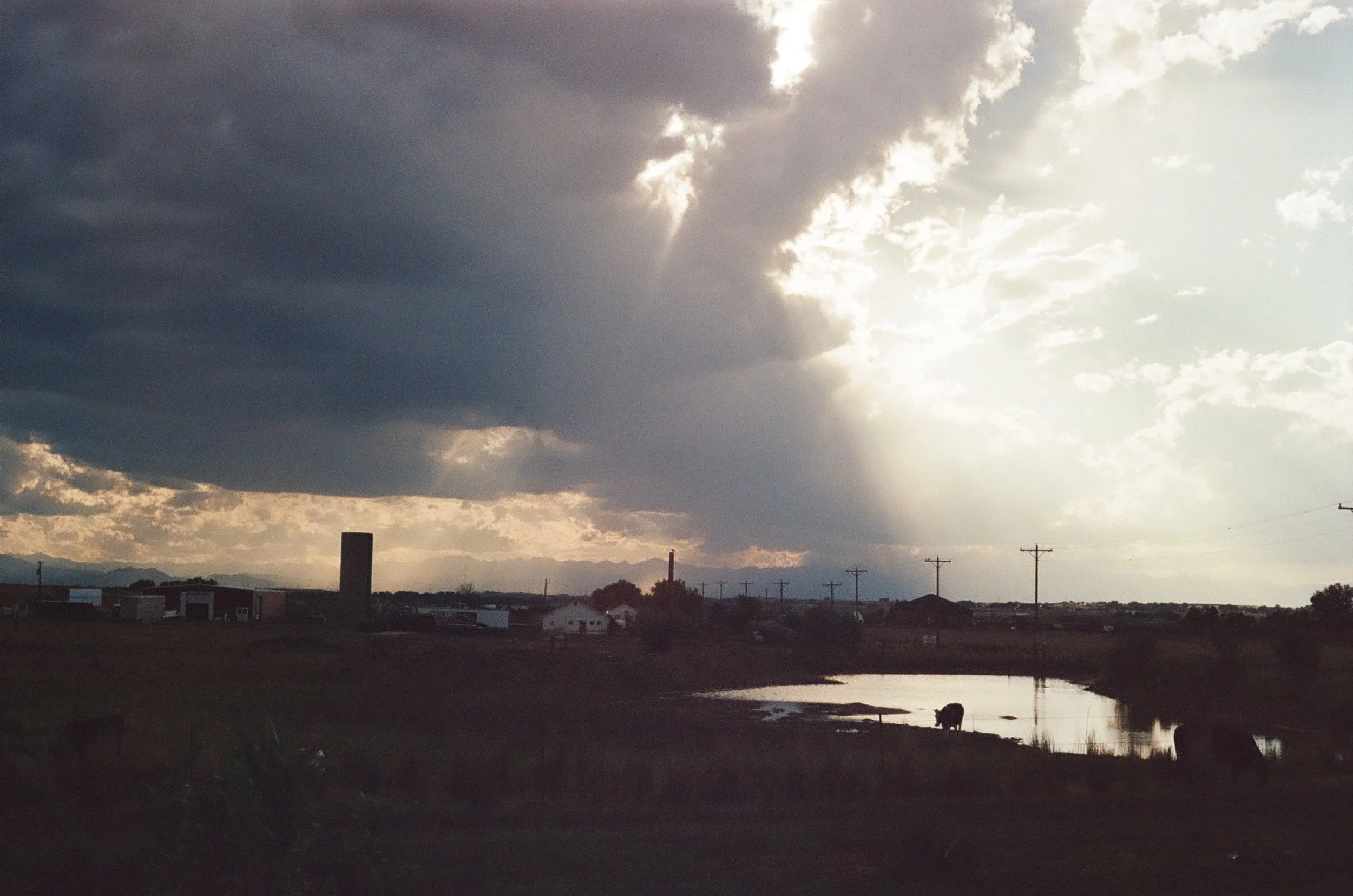
Northern Colorado Ag Lands // 35 mm film
Created for the Children’s Museum of Denver at Marsico Campus, Journey of Water is an interactive storytelling experience designed to introduce kids and their caregivers to the complexities of water in the American West.
Acting a three part experience, participants are taken through the outdoor exhibits on a quest to reunite the land with the water.
-
When settlers started moving from the east into Colorado, many were in search of this shiny, valuable metal called gold because it could make them richer than they ever dreamed.
However, gold mining took a lot of water. So much water in fact that they had to start changing the paths of the rivers and streams so the gold mines could get all the water they needed.
Because of this, the miners decided that water should be something to own, not to share, and they started making laws about who could and could not use the water. This allowed some people, like the gold miners, use a lot of water and left some people with no water at all.
-
The Prospector is a gold miner from the 1850s and has a boastful, large, and loud personality. The prospector is greedy but loves their family and community. They work hard but are naive to the depth of the impact of their choices. They are aware that gold mining changes the land but are more concerned with short term personal gain.
-
Participants are invited to gold pan in a kiddy pool. Depending on the age of the participants, they are given something specific to pan for (ECE to look for big jewels, older kids to find a small pyrite). Once they find it, the prospector congratulates them tasks them to bury it for the next gold miners.
The prospector then tells the participant that gold mining was one big way that water changed in Colorado, but to talk to the bison on the hill to hear their side of the story.
01
gold mining
-
When people searching for gold came, the bison noticed they were making water move in different pathways. At the same time, the new humans began to hunt the bison so much that the bison were beginning to disappear. This was confusing for the bison, because in the past humans who shared the land had always respected and protected bison as their main food source.
As more bison disappeared, the new humans brought a new animal to the land to feed their families instead. They called this animal a cow and the cows were not from this land. Because they weren’t from this land, the new farmers had to start growing special food for the cows.The food the cows ate needed a lot more water than the Colorado sky provided. So the bison saw more and more water being taken from the rivers to raise the cows. Additionally, the new grass and cow food didn’t have deep root systems. This meant the land lost its underground connection system that it had spent thousands of years growing, making it unstable.
This water has changed a lot in recent history, and that is worrisome for the health of all living beings including bugs, birds, fish, and even humans because water brings life to all forms.
The bison knows the land misses the water. Can the participants help reconnect them?
-
The bison is a calm and wise character who invites participants to quietly sit and feel the textures of the rabbit brush and ground, smell the leafs, and listen for birds or other life. The bison sees the impact that the settlers have had on the land and is concerned for life in all forms. The bison believes that the land misses the water and thinks participants can help.
-
Participants are invited to sit with the bison character on a real bison hide. The activity is a “Look and Feel” program where participants feel the hide, pet the stuffed bison animals, and examine root systems of native grass vs feed grass as the participants talk to the bison.
To keep it a child-led/participant experience, the bison asks the participants what they already know, what they know, and how different animals such as the fish felt during all of this.
02
the bison
-
The water and the sky have a timeless relationship, and the sky has seen water change in many ways. So much so in fact that long ago the land they are on used to be an ocean.
However, the changes the sky has noticed since gold mining started have been worrisome. The sky worries for all the plants, fish, and beings that also need water to live.
But the sky has the wisdom to know that water will always ebb and flow, and that it is part of its power. The sky tells the participants that they too have the power to help water continue to bring life to beings across the land.
While helping with the land reunite with the water can seem like an overwhelmingly big problem, the sky knows that small choices like the flowers you plant in your garden help build a better future.
-
The sky brings a hopeful and forward-thinking tone to the story. The sky and water have known each other for a very long time. The sky is soft spoken and strong, telling the participants they have the power to help bring water back to the land.
-
Participants are invited to make native seed bombs with the sky. They then take the seed bombs with them and can plant or bury them anywhere on available dirt, completing the quest of reconnecting the land with the water.
03
the sky
Design Process
Interactive Storytelling Format Development
This is the first experience of it’s kind at the Children’s Museum of Denver. While the story is designed to be cohesive, each component can act as a stand alone activation creating a four in one facilitation guide.
This format was iteratively designed with the intention of it being replicated in future interactive storytelling programs.
Characterization
This program was the pilot for the Children’s Museum new engagement style which has museum educators and play facilitators drop into character.
Using a mixture of technical knowledge, script writing, and improv, the characters bring the experience and story to life.
Scaled Programming
This story was designed to be scalable to all audiences and ages. By using clear language and immersive activities, both children and their care givers are able to engage with a complex concept in a simple and accessible way.
Sustainability Through Shared Ownership
Journey of Water was developed and tested through collaboration between the museum’s Community Programs Team and Outdoor Experiences Team. Museum leadership and Exhibits Team provided feedback through the process.
This shared ownership ensures that the program and its format aligns with the museum’s education goals and brand and will outlast its original creators.